by Nicole Johnson, MFA, CHHC | Insomnia, Research
According to a study published in The International Journal of Clinical Practice there is evidence which explains a possible connection between auricular acupuncture and insomnia. The study went on to delve into the possible benefits auricular acupuncture can have on insomnia.
As it is known, acupuncture can be an extremely helpful form of treatment in regulating your sleep cycle. It can help you start sleeping peacefully again without the aid of over-the-counter sleep medications.
But, just how well does acupuncture cure major loss of sleep, such as insomnia. Clinical studies, such as this study published by the IJCP, are a way of seeing how the scientific world and the acupuncture world agree or disagree. With not much existing evidence or data on the topic of auricular acupuncture and insomnia, the researchers had to cast a wide net in order to come up with relevant information and statistics. They found mixed results. It was determined that out of the 433 relevant clinical trials studied that auricular acupuncture boasted both favorable and unfavorable results for the treatment of insomnia. Both the evidence of the effectiveness and ineffectiveness of auricular acupuncture are limited. The researchers did not deny the potential effectiveness of the treatment, but stated there should be more research done on the topic.
Sources: http://bit.ly/2edalow
Photo Credits: ©iStock.com/kirin_photo, ©iStock.com/Naddiya,
©iStock.com/Oktay Ortakcioglu
by Nicole Johnson, MFA, CHHC | Education, Fatigue, Illness, Immune Health
A very common complaint that acupuncturists hear from our patients is that they constantly feel tired. Sometimes this fatigue is related to lack of sleep, but sometimes no amount of rest seems to alleviate the sleepiness.
From an acupuncture and Chinese Medicine perspective, there are numerous imbalances in our bodies that can cause constant fatigue. Here are some of the most common imbalances that can lead to fatigue, lethargy, lack of energy and motivation, and tiredness.
Your energy is weakened or struggling
Simply put, when systems in our body are compromised (through illness, heredity, stress, or lifestyle choices), they can’t produce the abundance of good, positive energy our body (and mind) needs to function. Many different systems in our bodies can produce a feeling of fatigue when they are weakened. When the Qi or our Spleen and Lungs is compromised, we often feel like we don’t have enough energy to get through the day. This sort of fatigue often improves with good sleep, hygiene and a healthy diet. When our Liver Blood energy is weakened (through overwork, poor sleep, poor diet, illness, or excessive bleeding), the fatigue we experience is hard to shake. We may feel restless, and have a hard time falling asleep even though we are tired. This type of fatigue is improved by eating more dark leafy greens and more organ meats, to nourish the blood energy. A deficiency of either Kidney yin or Kidney yang – our two most fundamental energies – can also result in fatigue. This kind of fatigue manifests as true exhaustion. It is very important to give yourself ample time to rest, to recover from this type of tiredness. Dietary changes, as well as herbal medicine, can also be very helpful.
Your energy is stuck
Fatigue does not always stem from a weakness in your body’s energy. Sometimes fatigue comes from energy not moving properly. Health, in Chinese Medicine, is all about the smooth flow of energy through the body. When something alters that smooth slow – illness, injury, trauma, stress, poor lifestyle choices, etc – fatigue can be a result.
When your body’s energy is not flowing the way it should be, your body actually has to exert a lot more energy to keep you running well. The kind of fatigue that comes from Qi Stagnation (energy not flowing well) can present as a fatigue that is actually better with exercise or movement. It is the kind of fatigue that makes it really hard to get to the gym but completely disappears once you complete your work-out. Qi stagnation fatigue can make us feel “tired but wired,” and can also be closely related to feeling overwhelmed or run down by stress.
This sort of fatigue is helped by exercise, movement, and stress-reduction techniques.
You are damp
Dampness is a concept somewhat unique to Chinese Medicine – it refers to abnormal processing of fluids in the body. Dampness can “lodge” itself in many different areas, and as such, can lead to numerous symptoms. When dampness is pervasive throughout the whole body, usually one experiences a kind of constant fatigue – this can be both physical and mental. Patients who are tired from dampness describe feeling “sluggish,” “heavy,” or “fuzzy.” This kind of fatigue is greatly improved by making dietary changes, such as reducing the intake of dairy, cold temperature or raw foods, and greasy or fried foods. Dampness is also helped by regular exercise – which helps to break through that sluggishness and also trying to remove yourself from damp environments.
In all of these situations, acupuncture and Chinese Herbal Medicine can be a huge help. Acupuncture and herbs focus on creating balance in the body to restore energy and vitality, rather than giving you false energy like coffee or an energy drink. You don’t deserve to be tired all the time – the combination of diet, lifestyle changes, and Chinese Medicine can get you back on the road to health, vitality, and feeling great!

by Nicole Johnson, MFA, CHHC | Insomnia, Prevention
Insomnia is a phenomenon almost everybody experiences at some point in their life. And most of us don’t know how or why it happens. Insomnia is defined as difficulty falling asleep, despite being tired. Combating insomnia may be easier than you think. Here are five simple ways to fall asleep faster and stay asleep all night.
1. Turn off your phone
In today’s society, we are almost surgically attached to our phones, iPads, laptops, etc. And while the devices keep us informed and connected, they are also harm us when it comes to our sleep. Smartphones and other gadgets emit blue wavelengths. These wavelengths suppress the production of melatonin in our bodies. Melatonin is a natural hormone that makes you feel sleepy. Also, the light given off by your devices can actually stimulate the mind, thus causing poor sleep. So as hard as it may be, buy a regular alarm clock and turn off the phone.
2. Keep a sleep schedule
Sleep is just as important to proper health as eating healthy-wholesome foods. In other words, make sleep a priority. You don’t have to give up dinner with friends or that periodic concert, but staying out late every single night will eventually take its toll. Make a sleep schedule and do your best to stick to it. Lack of sleep has been proven to increase blood pressure, depression, weight gain and stress. Why do this to yourself when you don’t have to? Once you set your sleep schedule, your body will react favorably.
3. Meditation
How many of us groan when we hear the word “meditation”? Meditation really isn’t difficult but people constantly tell themselves it can’t be done because they can’t shut off their minds. But what most people don’t realize is the goal of meditation is not turning off your mind or your thoughts. Meditation helps you cope better while telling your sympathetic nervous system to relax. When the thoughts come in, you should acknowledge them but do not dwell on them. That’s what meditation helps you do. And there are many different types of meditation. For beginners, guided meditation tends to work best because you are listening to somebody guide you through the journey. Why not give it a try?
4. Bedtime Yoga
Yoga is an ancient Indian practice that combines physical exercise, mental clarity and spiritual beliefs all rolled into one discipline. Bedtime yoga poses are very low-key and quite simple. Utilizing yoga just before going to bed can signal to your brain that slumber time is approaching. Poses such as forward bends, happy baby pose, cross-legged bends and corpse pose all have been shown to help the body prepare for restful sleep. Also for those who are a little more skilled, inversion poses like shoulder stands can help alleviate stress and calm the mind.
5. Acupuncture
Really? Getting poked with needles will help me sleep better? The simple answer is YES! Acupuncture works with your own body to help bring it back into balance. If you have stress, you have an imbalance. Acupuncture needles are strategically placed on points that will calm the mind, balance hormones and settle the nervous system. Most people will notice some change after just one treatment, but to get the full effect and truly eliminate insomnia, you should commit to several treatments. And always seek out a properly trained and fully licensed acupuncturist to get the best results.
There are many other ways to fight insomnia too, but these are some of the best. Give these five methods a try and then focus on the ones that resonate with you. Over time, your body and mind will thank you and there won’t be any harsh side effects…just good sound sleep. Sweet dreams!

by Nicole Johnson, MFA, CHHC | Immune Health, Integrative Therapy, Pain Management, Sports Injuries
Do you ever feel your life’s a ride that won’t ever stop? How many nights do you wait for Mr. Sandman to magically appear? How often do you truly take time for yourself? Do you have aches and pains almost daily? Are over-the-counter or prescription medications controlling your life? When was the last time you actually felt at peace? If any of these questions resonate with you, then it might be time to look at Traditional Chinese Medicine and acupuncture for an answer. People in Asian countries have known the magnificence of acupuncture for thousands of years. Traditional Chinese Medicine is growing in popularity in the United States and here are some reasons why you might want to consider utilizing it also.
1. Insomnia / Restless Sleep
Acupuncture can address imbalances in your body that may contribute to your
inability to get a good night’s sleep. The needles can actually encourage the brain to produce the chemicals that help you relax and sleep better. If you have difficulty falling asleep, you wake up frequently or you toss and turn a lot, acupuncture might just be the missing link.
2. Anxiety / Depression
Thousands of people in the U.S. suffer from depression and anxiety. And while there are many amazing therapists available to talk to, psychotherapy may not be enough. Also, many of the prescription medications available have terrible side effects. This is where acupuncture and Chinese herbal formulas can help. Acupuncture can actually start to relieve symptoms of depression and anxiety in as few as two treatments without any harsh side effects.
3. Allergies
Runny nose? Sneezing? Watery, itchy eyes? Does this sound familiar?
Seasonal or otherwise, allergies can be debilitating. But multiple studies have shown that allergy symptoms can be decreased and sometimes even eliminated with the use of regular acupuncture treatments. Immunity begins in the gut and acupuncture treatments for allergies will focus on the energetic meridians that support your immune system.
4. Migraines
For those who suffer from these monsters, life can be a toss of the dice. Migraines can come on without warning and can be completely devastating. And yet again, the pharmaceuticals that most migraine sufferers are prescribed can lead to harsh side effects. Acupuncture can reduce the frequency and intensity of migraines over time.
5. Menstruation Issues
Many women suffer monthly from menstruation problems. It can be that the period is irregular, painful or so heavy that it leads to anemia and fatigue. There can also be mental-health effects associated with periods such as depression and anger. Over-the-counter medications only mask the symptoms. To treat the root of the problem, give acupuncture a try. Once again, it’s all about balancing your body. That’s how acupuncture works to regulate menstrual problems.
6. Chronic Pain
Pain is the number one reason why people turn to acupuncture, and for good reason. If you’ve tried everything else and got little to no relief, acupuncture may be right for you. But remember, chronic pain took time to develop and it will also take time for acupuncture treatments to work. Many people get some relief immediately, but acupuncture works on a cumulative basis, so commitment to the process is a must.
7. Preventive Medicine
Did you know that acupuncture’s main function is to help keep you healthy? If not, then you’re not alone. While acupuncture may not be known for preventive care, it should be. Waiting until there is an injury or illness will only cause the treatments to take longer. Using acupuncture preemptively will help you fight off illness and let you recover more quickly. That’s reason enough to give it a try.
Now that you know how acupuncture and Chinese medicine can help you, what are you waiting for? Find a licensed acupuncturist nearby and go get healthy.

by Nicole Johnson, MFA, CHHC | Integrative Therapy, Prevention, Recipes
Chinese Medicine nutritional theory combines ancient wisdom with modern science.
East Asian nutrition uses a holistic approach, which aims to balance all five flavors within most meals with one or two flavors being emphasized for therapeutic purposes. East Asian nutrition for hypertension emphasizes bitter flavors, sour flavors, and energetically-cooling foods.
Chinese Medicine theory states that bitter flavors in moderation benefit the heart — but an excess is harmful as it has a drying effect.
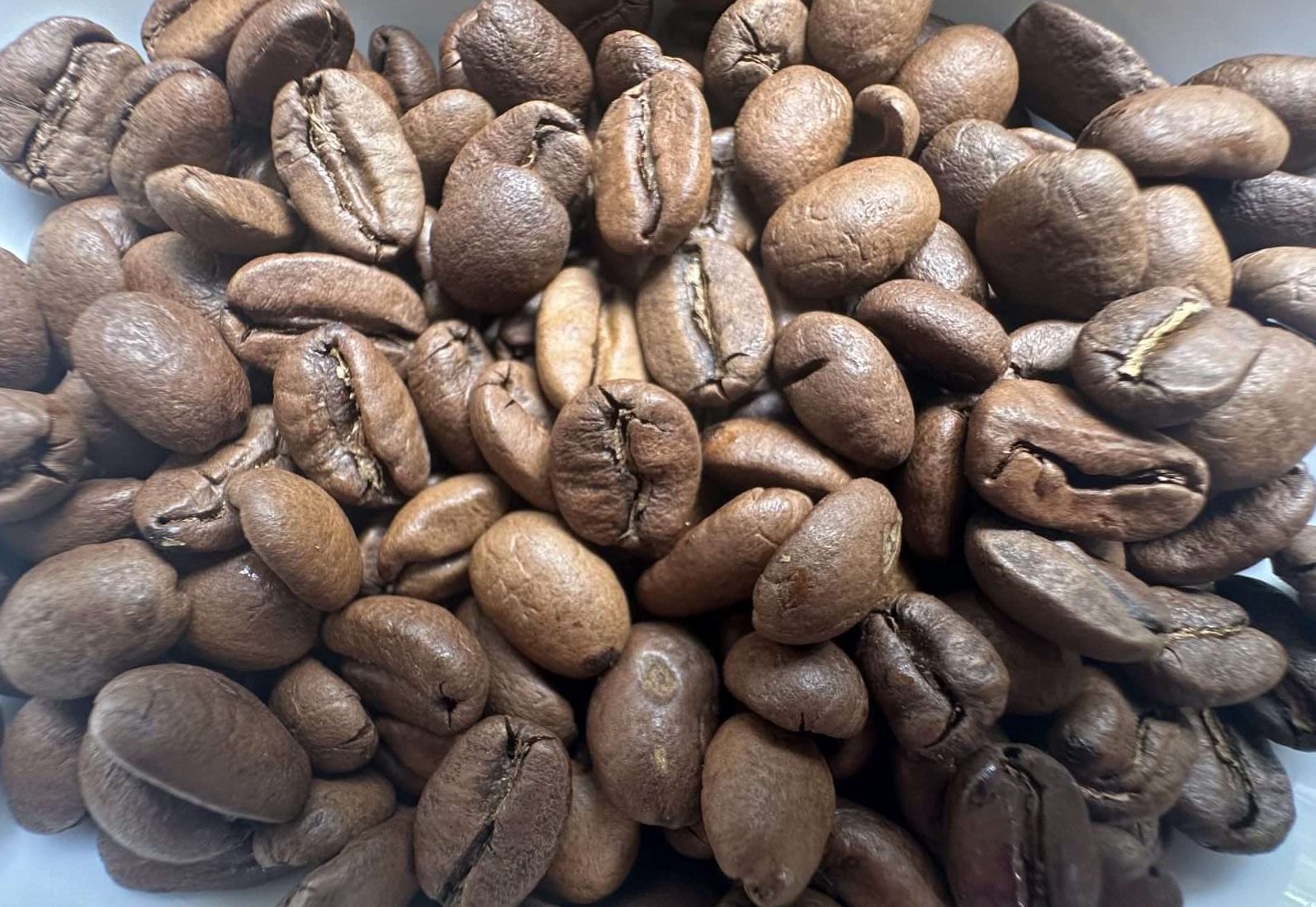
For example, coffee is bitter. In moderation, coffee acts as a vasodilator increasing circulation but in excess, it can raise blood pressure and has a diuretic effect. Modern scientific research has discovered while the human genome has 25 bitter taste receptors 12 of these are expressed in the human heart.
- Examples of foods with bitter flavors include romaine lettuce, dandelion, arugula, and rye.
- Examples of foods that combine bitter with pungency include citrus peel, radish, scallion, and white pepper.
The pungent flavor can help disperse phlegm or what we refer to as ‘dampness’ (e.g. plaque).
- Foods that combine bitter with sweet include asparagus, celery, tomatoes, lettuce, quinoa, and papaya. Lemon rind is bitter and sour; vinegar is also bitter and sour.
- Lemon rind is bitter and sour; vinegar is also bitter and sour.
Bitter flavors have a yin, or cooling effect, clearing heat in the body while encouraging a descent of Qi, which aids in the draining of fluids.
For example, celery contains phytochemical phthalides which relaxes arterial wall tissues to increase blood flow and thereby reduce blood pressure. The fiber, magnesium, and potassium in celery also help lower blood pressure and regulate fluid balance. Caution: according to East Asian nutritional theory, those with a lot of dryness and/or bone disease should moderate their intake of bitter flavors.
A tomato a day keeps the doctor away?
The combination of lycopene, vitamins C and E, potassium, and folic acid in tomatoes makes it a powerful food for heart health. The bitter flavor of tomatoes comes from the seeds; to reap the full benefit of tomatoes eat the seeds too. Heirloom tomatoes in season have the most flavor, find the tastiest tomatoes at your farmer’s market or try growing your own. Who doesn’t love homegrown tomatoes?
Summer is the season of the heart according to East Asian Medicine, meaning it is the season most likely to bring our hearts out of balance if we are exposed to excess heat, which can then create and/or exacerbate internal heat.
During the summer East Asian Nutritional Theory recommends drinking and eating foods that cool the body and heart such as green tea, cucumbers, watermelon, and lemon.
Chrysanthemum tea is a very popular summertime tea in Asia because it is so well known for its cooling properties; it is helpful for headaches, dizziness, high blood pressure, chest pain, and also fevers. You can add chrysanthemum flowers to your morning green tea and in the evening combine it with chamomile tea for extra cooling benefits!
East Asian nutrition cautions against overdoing cold foods and drinks.
Too much cold inhibits the digestive process. Drinking warm beverages and soups, as well as eating foods with a little pungency (chili pepper, garlic, ginger) causes the body to perspire slightly which naturally cools the body.
Those who have hypertension plus a lot of dryness: dry skin, dry eyes, dry mouth and thirst, constipation, and even hormonal deficiencies can benefit from increasing their healthy fat intake.
Many nutrients are fat soluble, the body uses cholesterol to make hormones, bile, and vitamin D. Healthy fats nourish yin in East Asian nutritional theory. Some Americans who suffer from hypertension are also thin with an underlying yin deficiency, such as those with the onset of hypertension that coincides with menopausal symptoms. Sources of healthy fats include the following: nuts, seeds, avocado, olive oil, flaxseed oil, and quality fish.
Eating beans, peas, and grains are high in potassium, magnesium, fiber, and are high in choline which is vital in lowering hypertension and boosting fat metabolism. Whole grains are also a good source of niacin and vitamin E and are recommended for healthy arteries, especially those that are slightly bitter such as rye, quinoa, amaranth, and oats.
Try this Easy East Asian Nutrition Recipe for Heart Health:
5 Flavors Chickpea Salad for Healthy & Happy Heart
15 oz cooked organic chickpeas (1 can)
1/2 c cup cooked quinoa or 1 cup brown rice (warm)
4 stalks celery, minced
6-12 cherry tomatoes chopped in 1/2 or 1/4
8-12 Romaine lettuce leaves, chopped
2 TBSP red onion, minced
Toss with dressing made with:
2 TBSP olive oil
1 TBSP lemon juice + a little lemon zest (organic is best)
1 tsp grated ginger
1/2 tsp raw honey
1-2 garlic cloves (minced or pressed)
1/8 tsp Himalayan or Sea salt (or to taste)
fresh ground black pepper (to taste)
Resources
https://health.clevelandclinic.org/2015/04/celery-may-help-bring-your-high-blood-pressure-down/
Foster, S. R., Blank, K., Hoe, L. E. S., Behrens, M., Meyerhof, W., Peart, J. N., & Thomas, W. G. (2014). Bitter taste receptor agonists elicit G-protein-dependent negative inotropy in the murine heart. The FASEB Journal, 28(10), 4497-4508.
Kastner, Joseph, MD, L.Ac, (2009) Chinese Nutrition Therapy, Thieme, Stuttgart and New York
Pitchford, Paul (2002), Healing with Whole Foods: Asian Traditions and Modern Nutrition, North Atlantic Books, Berkeley, California
Ried, K., Frank, O. R., Stocks, N. P., Fakler, P., & Sullivan, T. (2008). Effect of garlic on blood pressure: a systematic review and meta-analysis. BMC cardiovascular disorders, 8(1), 1.
Willcox, J. K., Catignani, G. L., & Lazarus, S. (2003). Tomatoes and Cardiovascular Health. Critical Reviews in Food Science and Nutrition, 43(1), 1-18.