
Read moreDamp is a term acupuncturists use when the fluids of the body aren’t being processed correctly, leading to a buildup that can settle in and make itself at home in almost any area of the body. This, in turn, can lead to a wide array of mental and physical issues.

7 Reasons to Seek Out Acupuncture
Do you ever feel your life’s a ride that won’t ever stop? How many nights do you wait for Mr. Sandman to magically appear? How often do you truly take time for yourself? Do you have aches and pains almost daily? Are over-the-counter or prescription medications controlling your life? When was the last time you actually felt at peace? If any of these questions resonate with you, then it might be time to look at Traditional Chinese Medicine and acupuncture for an answer. People in Asian countries have known the magnificence of acupuncture for thousands of years. Traditional Chinese Medicine is growing in popularity in the United States and here are some reasons why you might want to consider utilizing it also.
1. Insomnia / Restless Sleep
Acupuncture can address imbalances in your body that may contribute to your
inability to get a good night’s sleep. The needles can actually encourage the brain to produce the chemicals that help you relax and sleep better. If you have difficulty falling asleep, you wake up frequently or you toss and turn a lot, acupuncture might just be the missing link.
2. Anxiety / Depression
Thousands of people in the U.S. suffer from depression and anxiety. And while there are many amazing therapists available to talk to, psychotherapy may not be enough. Also, many of the prescription medications available have terrible side effects. This is where acupuncture and Chinese herbal formulas can help. Acupuncture can actually start to relieve symptoms of depression and anxiety in as few as two treatments without any harsh side effects.
3. Allergies
Runny nose? Sneezing? Watery, itchy eyes? Does this sound familiar?
Seasonal or otherwise, allergies can be debilitating. But multiple studies have shown that allergy symptoms can be decreased and sometimes even eliminated with the use of regular acupuncture treatments. Immunity begins in the gut and acupuncture treatments for allergies will focus on the energetic meridians that support your immune system.
4. Migraines
For those who suffer from these monsters, life can be a toss of the dice. Migraines can come on without warning and can be completely devastating. And yet again, the pharmaceuticals that most migraine sufferers are prescribed can lead to harsh side effects. Acupuncture can reduce the frequency and intensity of migraines over time.
5. Menstruation Issues
Many women suffer monthly from menstruation problems. It can be that the period is irregular, painful or so heavy that it leads to anemia and fatigue. There can also be mental-health effects associated with periods such as depression and anger. Over-the-counter medications only mask the symptoms. To treat the root of the problem, give acupuncture a try. Once again, it’s all about balancing your body. That’s how acupuncture works to regulate menstrual problems.
6. Chronic Pain
Pain is the number one reason why people turn to acupuncture, and for good reason. If you’ve tried everything else and got little to no relief, acupuncture may be right for you. But remember, chronic pain took time to develop and it will also take time for acupuncture treatments to work. Many people get some relief immediately, but acupuncture works on a cumulative basis, so commitment to the process is a must.
7. Preventive Medicine
Did you know that acupuncture’s main function is to help keep you healthy? If not, then you’re not alone. While acupuncture may not be known for preventive care, it should be. Waiting until there is an injury or illness will only cause the treatments to take longer. Using acupuncture preemptively will help you fight off illness and let you recover more quickly. That’s reason enough to give it a try.
Now that you know how acupuncture and Chinese medicine can help you, what are you waiting for? Find a licensed acupuncturist nearby and go get healthy.

Nutrition for Heart Health & Hypertension with East Asian Medicine
Chinese Medicine nutritional theory combines ancient wisdom with modern science.
East Asian nutrition uses a holistic approach, which aims to balance all five flavors within most meals with one or two flavors being emphasized for therapeutic purposes. East Asian nutrition for hypertension emphasizes bitter flavors, sour flavors, and energetically-cooling foods.
Chinese Medicine theory states that bitter flavors in moderation benefit the heart — but an excess is harmful as it has a drying effect.
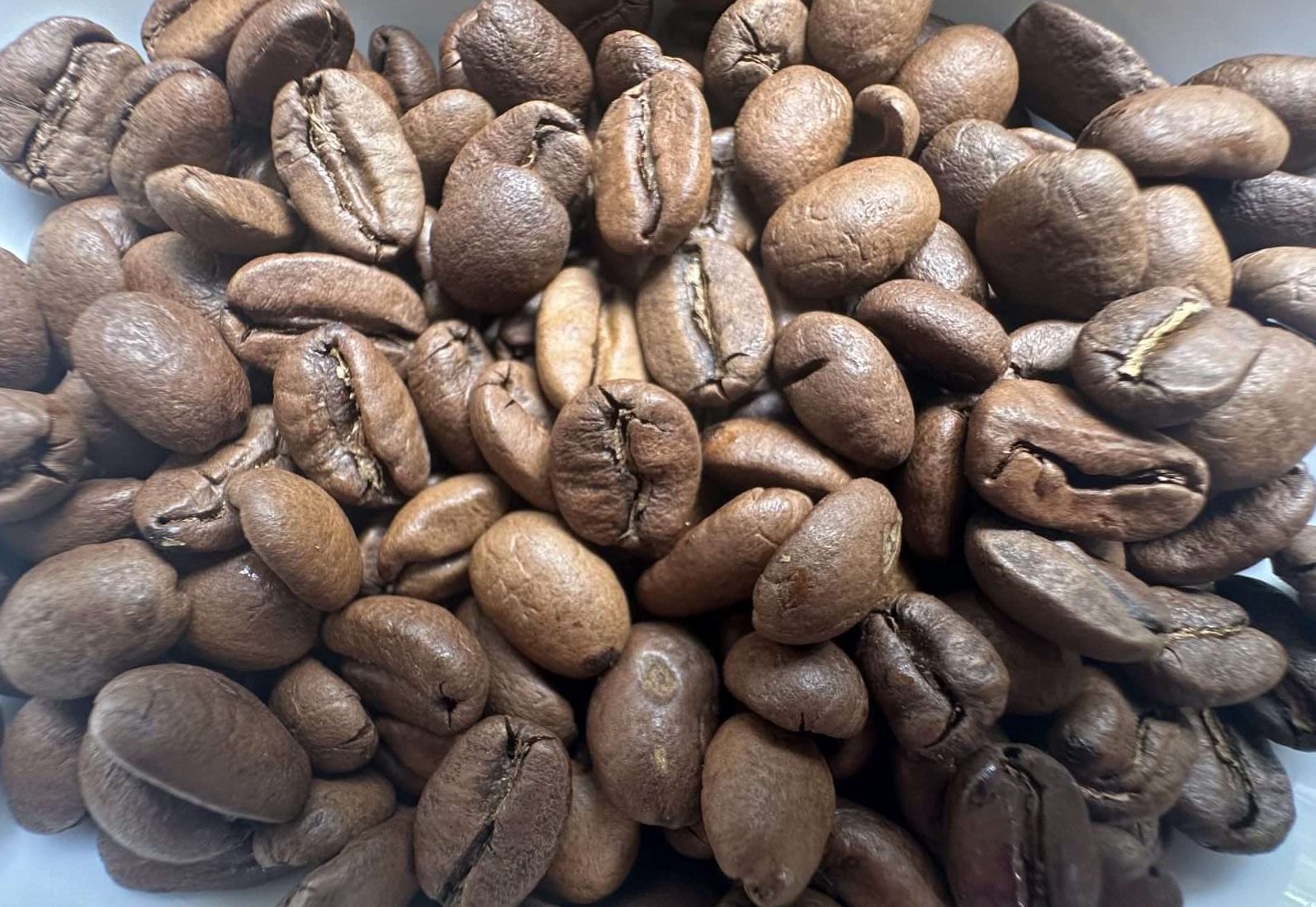
For example, coffee is bitter. In moderation, coffee acts as a vasodilator increasing circulation but in excess, it can raise blood pressure and has a diuretic effect. Modern scientific research has discovered while the human genome has 25 bitter taste receptors 12 of these are expressed in the human heart.
- Examples of foods with bitter flavors include romaine lettuce, dandelion, arugula, and rye.
- Examples of foods that combine bitter with pungency include citrus peel, radish, scallion, and white pepper.
The pungent flavor can help disperse phlegm or what we refer to as ‘dampness’ (e.g. plaque).
- Foods that combine bitter with sweet include asparagus, celery, tomatoes, lettuce, quinoa, and papaya. Lemon rind is bitter and sour; vinegar is also bitter and sour.
- Lemon rind is bitter and sour; vinegar is also bitter and sour.
Bitter flavors have a yin, or cooling effect, clearing heat in the body while encouraging a descent of Qi, which aids in the draining of fluids.
For example, celery contains phytochemical phthalides which relaxes arterial wall tissues to increase blood flow and thereby reduce blood pressure. The fiber, magnesium, and potassium in celery also help lower blood pressure and regulate fluid balance. Caution: according to East Asian nutritional theory, those with a lot of dryness and/or bone disease should moderate their intake of bitter flavors.

A tomato a day keeps the doctor away?
The combination of lycopene, vitamins C and E, potassium, and folic acid in tomatoes makes it a powerful food for heart health. The bitter flavor of tomatoes comes from the seeds; to reap the full benefit of tomatoes eat the seeds too. Heirloom tomatoes in season have the most flavor, find the tastiest tomatoes at your farmer’s market or try growing your own. Who doesn’t love homegrown tomatoes?
Summer is the season of the heart according to East Asian Medicine, meaning it is the season most likely to bring our hearts out of balance if we are exposed to excess heat, which can then create and/or exacerbate internal heat.
During the summer East Asian Nutritional Theory recommends drinking and eating foods that cool the body and heart such as green tea, cucumbers, watermelon, and lemon.
Chrysanthemum tea is a very popular summertime tea in Asia because it is so well known for its cooling properties; it is helpful for headaches, dizziness, high blood pressure, chest pain, and also fevers. You can add chrysanthemum flowers to your morning green tea and in the evening combine it with chamomile tea for extra cooling benefits!
East Asian nutrition cautions against overdoing cold foods and drinks.
Too much cold inhibits the digestive process. Drinking warm beverages and soups, as well as eating foods with a little pungency (chili pepper, garlic, ginger) causes the body to perspire slightly which naturally cools the body.
Those who have hypertension plus a lot of dryness: dry skin, dry eyes, dry mouth and thirst, constipation, and even hormonal deficiencies can benefit from increasing their healthy fat intake.
Many nutrients are fat soluble, the body uses cholesterol to make hormones, bile, and vitamin D. Healthy fats nourish yin in East Asian nutritional theory. Some Americans who suffer from hypertension are also thin with an underlying yin deficiency, such as those with the onset of hypertension that coincides with menopausal symptoms. Sources of healthy fats include the following: nuts, seeds, avocado, olive oil, flaxseed oil, and quality fish.
Eating beans, peas, and grains are high in potassium, magnesium, fiber, and are high in choline which is vital in lowering hypertension and boosting fat metabolism. Whole grains are also a good source of niacin and vitamin E and are recommended for healthy arteries, especially those that are slightly bitter such as rye, quinoa, amaranth, and oats.
Try this Easy East Asian Nutrition Recipe for Heart Health:
5 Flavors Chickpea Salad for Healthy & Happy Heart
15 oz cooked organic chickpeas (1 can)
1/2 c cup cooked quinoa or 1 cup brown rice (warm)
4 stalks celery, minced
6-12 cherry tomatoes chopped in 1/2 or 1/4
8-12 Romaine lettuce leaves, chopped
2 TBSP red onion, minced
Toss with dressing made with:
2 TBSP olive oil
1 TBSP lemon juice + a little lemon zest (organic is best)
1 tsp grated ginger
1/2 tsp raw honey
1-2 garlic cloves (minced or pressed)
1/8 tsp Himalayan or Sea salt (or to taste)
fresh ground black pepper (to taste)
Resources
https://health.clevelandclinic.org/2015/04/celery-may-help-bring-your-high-blood-pressure-down/
Foster, S. R., Blank, K., Hoe, L. E. S., Behrens, M., Meyerhof, W., Peart, J. N., & Thomas, W. G. (2014). Bitter taste receptor agonists elicit G-protein-dependent negative inotropy in the murine heart. The FASEB Journal, 28(10), 4497-4508.
Kastner, Joseph, MD, L.Ac, (2009) Chinese Nutrition Therapy, Thieme, Stuttgart and New York
Pitchford, Paul (2002), Healing with Whole Foods: Asian Traditions and Modern Nutrition, North Atlantic Books, Berkeley, California
Ried, K., Frank, O. R., Stocks, N. P., Fakler, P., & Sullivan, T. (2008). Effect of garlic on blood pressure: a systematic review and meta-analysis. BMC cardiovascular disorders, 8(1), 1.
Willcox, J. K., Catignani, G. L., & Lazarus, S. (2003). Tomatoes and Cardiovascular Health. Critical Reviews in Food Science and Nutrition, 43(1), 1-18.

Cupping Therapy – It Ain’t Pretty but it Works
We see a lot of pain and injury in our offices. Cupping is one of those things that looks mysterious but is really a straightforward therapy that provides quick, effective results.
There is a lot of buzz about Michael Phelps and his use of Cupping Therapy, so we thought we’d give you the inside scoop on this ancient therapy used in our office and all over the world.
The Basics on Cupping Therapy:
- Cupping Therapy is used on athletes and non-athletes alike.
- Tight muscles = stasis (stagnation of blood)
- Cupping Therapy breaks up stasis – the stagnation of blood, helps release connective tissue, and relaxes tight muscles.
- It does this by pulling deeper levels of blood to the surface, breaking the capillaries in the process. That’s what creates the bruise-like circles on Micheal Phelps.
- The body then moves to heal the capillaries and in the process brings fresh blood, oxygen, and nutrients to the site, increasing blood flow and healing.
- It also boosts the immune system and is a wonderful therapy at the onset of a cold, knocking it out very quickly- sometimes within 24 hrs.
- There are different styles of cupping: fire cupping – which looks very mysterious – this uses the vacuum created by the fire to create the suction and help the glass cups “stick” to the skin and suction. There is also vacuum cupping where an apparatus helps the cups create the suction. Both work in the same manner as described above.
- Sometimes we slide the cups across the muscles, sometimes they stay stationary.
Cupping Therapy is very relaxing and works quickly to achieve results.
The cups are sterilized after each treatment. A cupping therapy session happens within your regular massage or acupuncture treatment and lasts about 10-20 minutes.

6 Truths About the Not-so-sweet Side of Sugar
A study published by the JAMA Internal Medicine found that more than 70 percent of Americans consume more than the recommended daily amount of sugar. Sadly, most of us are addicted to sugar, which happens to be hidden in most of the foods and drinks we consume. Added sugar can cause a whole array of problems that can be short term as well as long term. If you are experiencing health problems, lowering your sugar intake may be one of your best options. Below are 6 truths about the ugly side of sweets.

No nutrients
Refined sugar has no nutritional value and it is recommended to consume as little as possible. The first step in eliminating sugar is from drinks such as soda, juice and mixed alcoholic drinks. Because of the large amounts of sweetener in these drinks, it can make them very addictive and hard to quit drinking.
Harms your liver
Sugar can be just as damaging on your liver as alcohol and lead to fatty liver disease. When you consume too much fructose, your body becomes insulin resistant resulting in various problems that can cause disease.
Raises cholesterol
One study done in the Journal of the American Medical Association found that participants who ate the highest levels of added sugars showed the biggest increase in bad cholesterol levels and triglyceride blood fats and the lowest levels in the good cholesterol levels.
Leading cause of obesity
In America, sugar is one of the leading culprits of obesity. It is estimated that 80 percent of food products in the U.S. contain added sugar. The best way to lose weight and lower your risk of obesity is to eliminate all processed foods and drinks.
Bad for your teeth
It should be a no-brainer that sugar is bad for your teeth. You may remember growing up having the dentist tell you as a kid to eat less candy to prevent cavities. As an adult, we know it’s not only candy that will cause cavities, but sugar that is found in your favorite drinks and everyday foods as well. Best way to sustain healthy teeth and gums? Cut the processed and refined sugar.
Can lead to type 2 diabetes
When your body is consuming too much sugar, your glucose levels become too high, which can be toxic to the body. When this happens, your body has a harder time producing enough insulin to keep blood sugar levels normal. This can then lead to type 2 diabetes.
Sources:
http://bit.ly/1VXrUuT

3 Alternative Treatments to Support Cancer Care
Acupuncture
 According to the National Cancer Institute, acupuncture can be used as a complementary therapy in system management of cancer-related symptoms such as side effects to chemotherapy, radiation therapy, boosting blood cell count and improve natural killer cell activity.
The National Institutes of Health have confirmed that there is evidence acupuncture is effective in postoperative care, chemotherapy, nausea and vomiting.
In a study done by Hematology/Oncology Clinics of North America, researchers found in a randomized placebo-controlled trial, acupuncture was proven effective for cancer patients with a variety of chronic pain and aiding in pain management. Acupuncture is found to have positive results as a complementary method to pain relief.
Acupuncture is a non-invasive treatment that works by addressing the body as a whole to release any blockages or stagnations in the body’s natural energy flow.
Massage Therapy
Researchers from the Rehabilitation and Integrative Medicine at MD Anderson Cancer Center found massage therapy to significantly reduce the pain of cancer and chemotherapy treatments, more so than conventional care.
Many cancer patients who receive chemotherapy report adverse side effects such as nausea, pain, muscle aches, weakness and fatigue. When these patients are treated with massage therapy, however, both the frequency and severity of these symptoms begins to subside. It doesn’t take many sessions before patients experience a positive improvement in their symptoms. While the study mentioned above lasted for seven weeks, many patients report an improvement in their symptoms after just a single session of massage therapy.
Lymphatic Drainage
Lymphedema, a swelling in the arms or legs, is common among patients who have received treatment for breast cancer. Manual lymphatic therapy works by using a light touch to help move fluid out of the tissues. Although lymphedema is not curable, it can be manageable with lymphatic drainage treatment.
The lymphatic system is essential for overall health. This system absorbs fluid, toxins and waste from tissue where it can pass through lymph nodes to be filtered. Lymphedema happens when the lymphatic system is blocked. The drainage therapy can help release these blockages to let fluid flow as it should.
Natural Ways to Help Stay in Cancer Remission
Lifestyle Changes
Diet can be a huge factor for staying healthy during cancer remission. You want to treat your body as best you can to prevent cancer from coming back. Boosting your immunity is essential for keeping your body’s defense working as it should.
Berries are a no-brainer. Filled with cancer-fighting antioxidants, make sure you’re getting your daily dose of blueberries and raspberries to help prevent cancer from growing. Green tea is another must. This tea contains antioxidants that can help prevent cancer. Try drinking at least one cup a day. Make sure to be eating whole grains and leafy green vegetables as well to keep an overall healthy diet.
Stay away from environmental toxins
Environmental toxins are everywhere, sometimes in places we wouldn’t expect. It’s important to be aware of these toxins and avoid them when possible. Avoid radiation, tobacco smoke and direct sun as much as possible. Be aware of pesticides found in food. Make sure to buy organic produce and wash it thoroughly before eating. Avoid plastic water bottles that are made with BPA and choose a reusable BPA-free bottle instead.
Maintain a healthy weight/exercise
Maintaining a healthy weight and staying active is always important, but especially is important for those who have had cancer. By keeping your body active, you are keeping your immune system in check as well. If you feel you need to lose or gain weight after you cancer treatment, consider a year-long plan to get back to what is healthy for you. As for exercise, start off slow. Just by adding a 20-minute walk into your day you can start ramping up your immune system. Exercise is also great for mental health and wellbeing as well as staying in physical shape.
Don’t forget about your mental health
Cancer can be very traumatic, and so can treatment. You may have lingering feelings of stress, anxiety, and depression from the experience. If you feel anxious about the cancer returning, consider joining a support group or talking to a professional. Yoga and meditation have also been proven to help lower stress and anxiety. Your mental health is just as important as your physical and should be addressed.

Ways to Combat PTSD Naturally
 PTSD is a physiological disorder that can result from being exposed to a traumatic event. The disorder results in several different symptoms including anxiety, irritability, insomnia and flashbacks. The effects of post-traumatic stress disorder in someone’s life can be far reaching. Feelings of hopelessness, shame and despair, problems at work or with relationships, serious health problems, depression, anxiety and drug or alcohol abuse are not uncommon. Getting help can be hard at first, but can have a great impact for helping PTSD.
Acupuncture, MSRP & NADA
The Military Stress Recovery Project (MSRP) is a unique program that provides free community acupuncture to veterans and active duty soldiers with PTSD and their family members.
Treatment in a MSRP clinic is unique for several reasons. Patients are treated in a group setting, sitting in comfortable chairs. There is an environment of calm and support. The patients are treated using the National Acupuncture Detoxification Association (NADA) protocol, a series of 5 needles placed in one ear. The program is designed to address all the needs of people with PTSD.
The MSRP clinics have been very successful. Patients report stress reduction, improved mental clarity, improved energy, enhanced performance, better sleep, fewer bad dreams and headaches, less anxiety and depression, reduced anger and pain, improved general health and better relationships.
Cognitive Behavioral Therapy
Cognitive therapy involves talk sessions between a therapist and their client. The therapist will help the patient work through their trauma and memory and can include techniques such as exposure therapy. This type of therapy is not for everyone but has been proven effective in beginning the steps toward recovery from a traumatic experience.
Relaxation methods
A lot of the times, anxiety and high blood pressure come with PTSD. Practicing daily relaxation methods can help lower stress and anxiety due to PTSD. Meditation, yoga and breathing exercises can all help lower heart rate and calm the mind. Spending time in a quiet place in nature can also have calming effects. Taking the time out each day to practice mindfulness can be very beneficial in lowering PTSD symptoms.
Eye Movement Desensitization and Reprocessing
EMDR therapy is practiced with a trained EMDR psychotherapist and involves allowing the brain to reprocess traumatic memories. It has been shown to reduce recovery time for PTSD patients and is less likely to cause triggers from the trauma than talk therapy. The American Psychiatric Association and Department of Defense/Veteran’s Administration recognize it as an effective treatment.
Guided imagery
Guided imagery is a meditation therapy that can be used at home and involves listening to dialogues to help reduce anxiety, depression and other symptoms of PTSD. The recorded dialogues are listened to a few times a week and involve imagining oneself in nature and a calm environment.
How to Help Someone with PTSD
Watching someone you love and care about suffer from PTSD can be hard. You may feel like you don’t know how to act around them or want to help but don’t know how. Below are ways to support those with PTSD.
Educate yourself
The first step you can take in helping those you care about is learning more about PTSD and what it means to suffer from it. Take the time to understand the causes, symptoms and effects to better understand what your loved one is going through. When things get tough, it is easy to get frustrated with someone who is dealing with this disorder. Remember that they are going through something out of their control and your support is important.
Listen, be patient
Sometimes it can take a person dealing with PTSD a while before they seek treatment. While it is important to encourage treatment, they also need to come to this decision on their own. Being supportive and a good listener in the meantime can be very helpful for their ultimate choice to seek treatment. Don’t push them to talk, but let them know you are there to listen. If they do want to talk, try to listen without judgement so that they feel comfortable to keep coming to you.
Make sure to take care of yourself
Being around someone who is struggling with PTSD is not only hard for them, but can take a toll on you mentally as well. Make sure you are taking care of your physical and mental health as well. If you feel overwhelmed or stressed, don’t forget to take time for yourself to destress and relax.
Understanding triggers and symptoms
If you are living with someone with PTSD it is important to recognize their triggers. Triggers can be anything, sometimes an object, person or place that reminds them of their traumatic experience. Ask your loved one to explain what triggers them so that you can best help them avoid those triggers. Make a plan for when triggers or a flare up of symptoms do happen and ask them what you can do to help when this happens.
There are many resources out there to help those with PTSD as well as their families and loved ones. For family and friends of veterans, visit www.ptsd.va.gov for more information and help.
Sources:

Acupuncture and PTSD
PTSD is a physiological disorder that can result from being exposed to a traumatic event. The disorder results in several different symptoms including anxiety, irritability, insomnia and flashbacks. The effects of post-traumatic stress disorder in someone’s life can be far reaching. Feelings of hopelessness, shame and despair, problems at work or with relationships, serious health problems, depression, anxiety and drug or alcohol abuse are not uncommon. Getting help can be hard at first, but can have a great impact for helping PTSD.
A recent study into the efficacy of acupuncture as an adjunctive treatment for Post-Traumatic Stress Disorder has shown promising results.
Researchers investigated the effects of acupuncture in adjunct to normal treatment approaches and the results showed significant improvement. Studies in the past have shown that veterans with PTSD are wary of seeking treatment for PTSD as many do not believe that mental healthcare can be effective. Researchers hope that with the increased efficacy of the adjunctive acupuncture treatment, veterans will be less reticent towards seeking treatment for PTSD.
Researchers investigated the effects of acupuncture in adjunct to normal treatment approaches and the results showed significant improvement. Studies in the past have shown that veterans with PTSD are wary of seeking treatment for PTSD as many do not believe that mental healthcare can be effective. Researchers hope that with the increased efficacy of the adjunctive acupuncture treatment, veterans will be less reticent towards seeking treatment for PTSD.
The acupuncture treatment also saw secondary benefits for those treated as many reported a decrease in depression and pain as well as a general improvement in mental and physical well-being. PTSD can be debilitating and even more so with little or no treatment.
The Military Stress Recovery Project (MSRP) is a unique program that provides free community acupuncture to veterans and active duty soldiers with PTSD and their family members.
Treatment in a MSRP clinic is unique for several reasons. Patients are treated in a group setting, sitting in comfortable chairs. There is an environment of calm and support. The patients are treated using the National Acupuncture Detoxification Association (NADA) protocol, a series of 5 needles placed in one ear. The program is designed to address all the needs of people with PTSD.
The MSRP clinics have been very successful. Patients report stress reduction, improved mental clarity, improved energy, enhanced performance, better sleep, fewer bad dreams and headaches, less anxiety and depression, reduced anger and pain, improved general health and better relationships.
Those suffering from PTSD should consult a doctor about treatment and discuss the option of acupuncture as well because it has been proven to help.
See Ways to Combat PTSD Naturally for more resources on this subject.

Alternative Therapies for Seniors
May is known as Senior Citizens Month, a great time to reach out to your loved ones and check in on their health. As we age, our health needs change. It is especially important for seniors to take care of their health and do so in a way that is as natural as possible and does not require potentially harmful prescription drugs. Traditional Chinese Medicine and other alternative practices have been proven to help aid the aging process and chronic conditions that may come with it.
Acupuncture
Acupuncture is a common treatment for chronic pain, which can be very beneficial for seniors. This centuries-old practice addresses the body as a whole by using specific acupuncture points to return the body back to its natural balance and relieve pain as well as other symptoms. Acupuncture treatment is non-invasive and is a great natural alternative to prescription medication.
Yoga
It can get harder to stay active as we age. We may find that our bodies just don’t move like they used to. Yoga has many health benefits and can be incorporated into your daily routine. Yoga has been proven to help strengthen bones and reduce the risk of osteoporosis. This practice can also help keep your joints healthy and reduce symptoms of carpal tunnel syndrome and arthritis.
Massage therapy
Massage therapy not only has physical health benefits but mental as well. This therapy can work to relieve pain, improve circulation and release tension. Massage is also an excellent stress reliever and can leave you feeling more relaxed and at ease.
Aromatherapy
Aromatherapy is a natural remedy that has been used for thousands of years. Aromatherapy involves breathing or applying essential oils to the body to help improve health. Different essential oils can have a large range of benefits. This therapy can help lower pain, increase a sense of well being and help improve sleep for patients with dementia.
Animal-assisted therapy
As we age, we sometimes need different kinds of support and companionship. Animals have been proven to help adults with dementia and decrease a sense of loneliness. Animals can also help promote physical activity, which can increase mood and overall health.
Music therapy
Music therapy has been proven to be beneficial for seniors. This non-invasive therapy can help reduce pain associated with osteoarthritis and other chronic conditions. Calming music can also be helpful for adults with dementia and reduce behavioral symptoms.

7 Superfoods for Aging Well
Olive Oil
Olive oil is beneficial for many reasons. Researchers now know that this oil contains the antioxidants called polyphenols, which can help prevent age-related diseases. In recent years, there has been much controversy over imported olive oil. In our household we use Zoe olive oil and enjoy very much. It’s important to remember not to cook on high heat with Olive Oil as that creates free radicals. Instead, we use it in a salad dressing. (We cook with Ghee or Coconut oil, but that’s for another post)
Fish
Fish like wild caught salmon are a no-brainer. They are packed with omega-3 fatty acids, which help regulate cholesterol levels and can improve heart health, which become increasingly important to take care of as we age.
Nuts
Nuts like almonds are packed with vitamins and minerals, as well as antioxidants and other nutrients that help fight aging. Those who incorporate nuts into their diet are shown to potentially add years on to their lives. Nuts are a great way to also get more protein into your diet and keep you energized.
Dark Chocolate
Quality dark chocolate not only tastes good but can also be great for your health. Cocoa is packed with flavonoids that are good for heart disease and promote healthy blood vessels. Add a little dark chocolate into your diet to help lower your risk of high blood pressure, type 2 diabetes, kidney disease and dementia.
Blueberries
Blueberries are known for their high amount of antioxidant properties. These berries can help inflammation and age-related deficiencies such as memory loss and motor function.
Avocado
Avocado is filled with omega-3s and vitamin E, which prove to have many health benefits. If you are fighting aging skin, avocado is your go-to food for rejuvenating your skin as well as stronger nails and hair.