
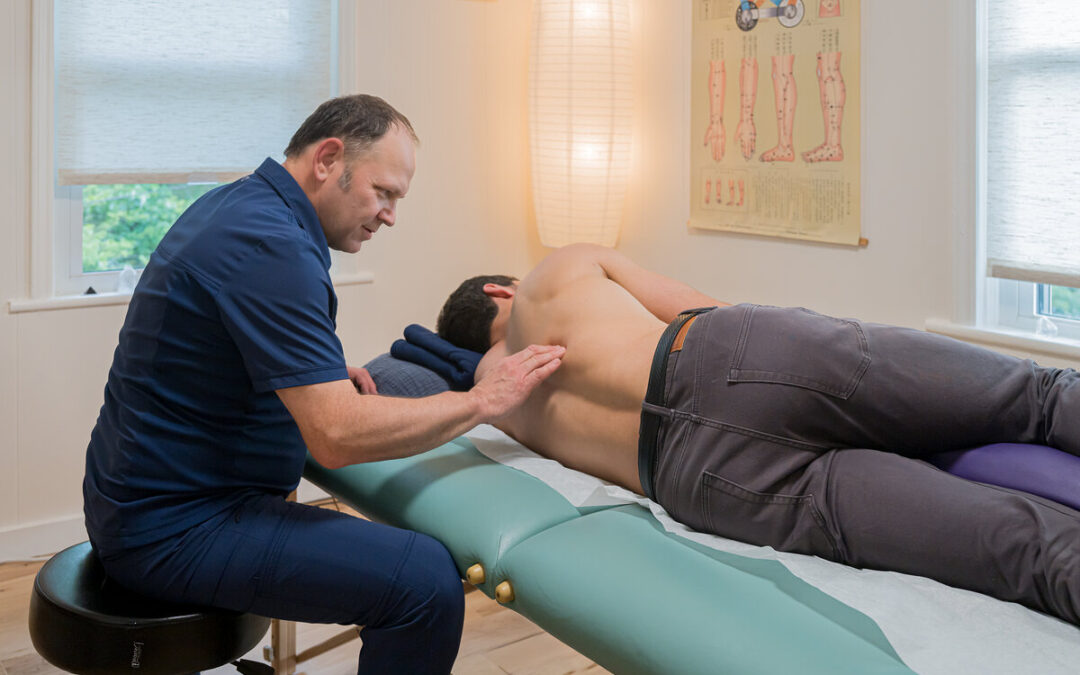
Orthopedic Acupuncture in Asheville
Orthopedic Acupuncture in Asheville, NC
Voted Best Acupuncturist in Asheville | MOUNTAIN XPRESS BEST OF WNC 2026
Root-cause, Patient-centered, Results-driven
Orthopedic Acupuncture is the foundation of how we evaluate and treat musculoskeletal pain and structural dysfunction at Asheville Orthopedic Acupuncture at Moxa House. This approach also includes care for autoimmune conditions, chronic health patterns, and complex or unclear diagnoses that have not responded fully to previous treatment.
Our work integrates traditional East Asian medicine with modern structural assessment and anatomical understanding.
What Is Orthopedic Acupuncture?
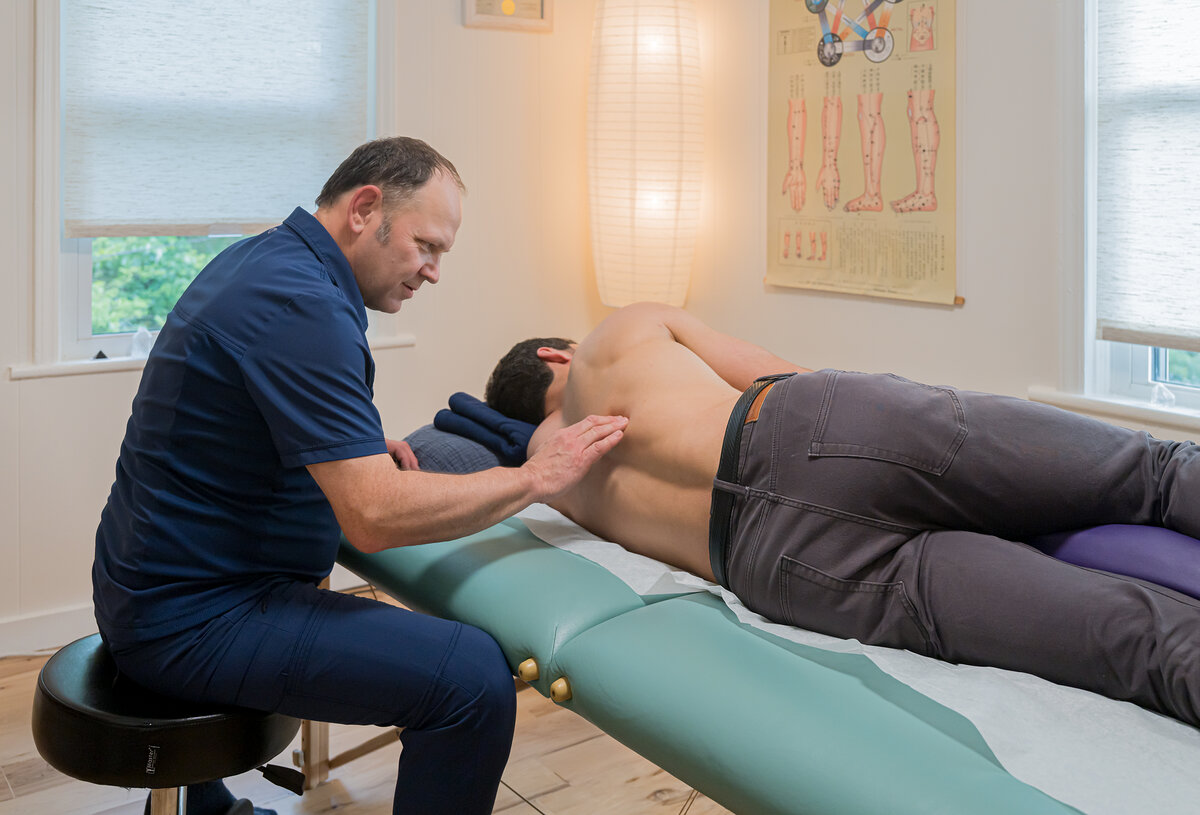
Orthopedic acupuncture integrates traditional East Asian medical systems with structural and biomechanical evaluation.
In our clinic, this includes:
- Japanese Acupuncture
- Kiiko Matsumoto Style (KMS) with palpation-based diagnosis and treatment
- Acupuncture Zone Treatment (AZT)
- Traditional Chinese Medicine (TCM)
- Classical Acupuncture
- Five-Element Acupuncture Theory
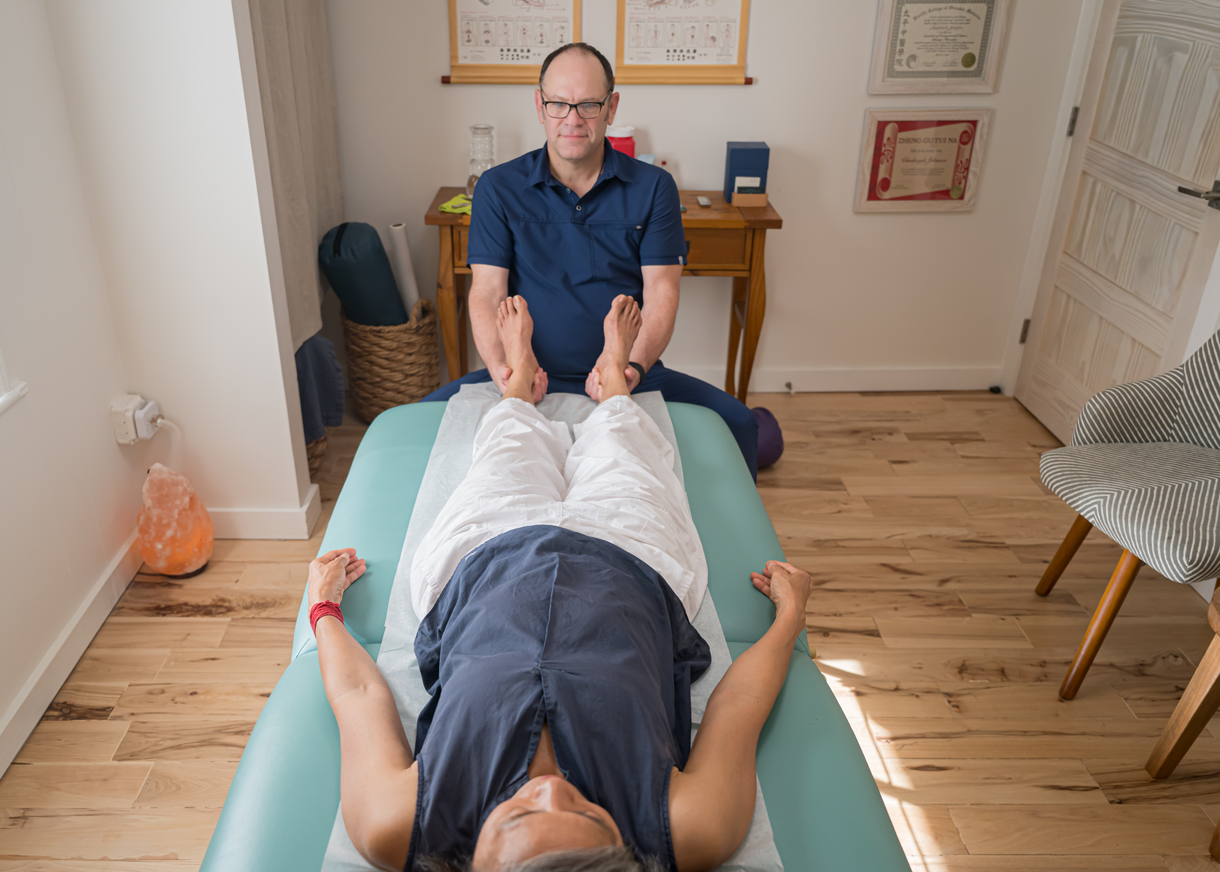
- Zheng Gu Tui Na orthopedic bodywork
- Muscle and Joint Reintegration Therapy
- Trigger Point and Dry Needling strategies
- Myofascial assessment
- Joint and movement evaluation
- Massage Therapy
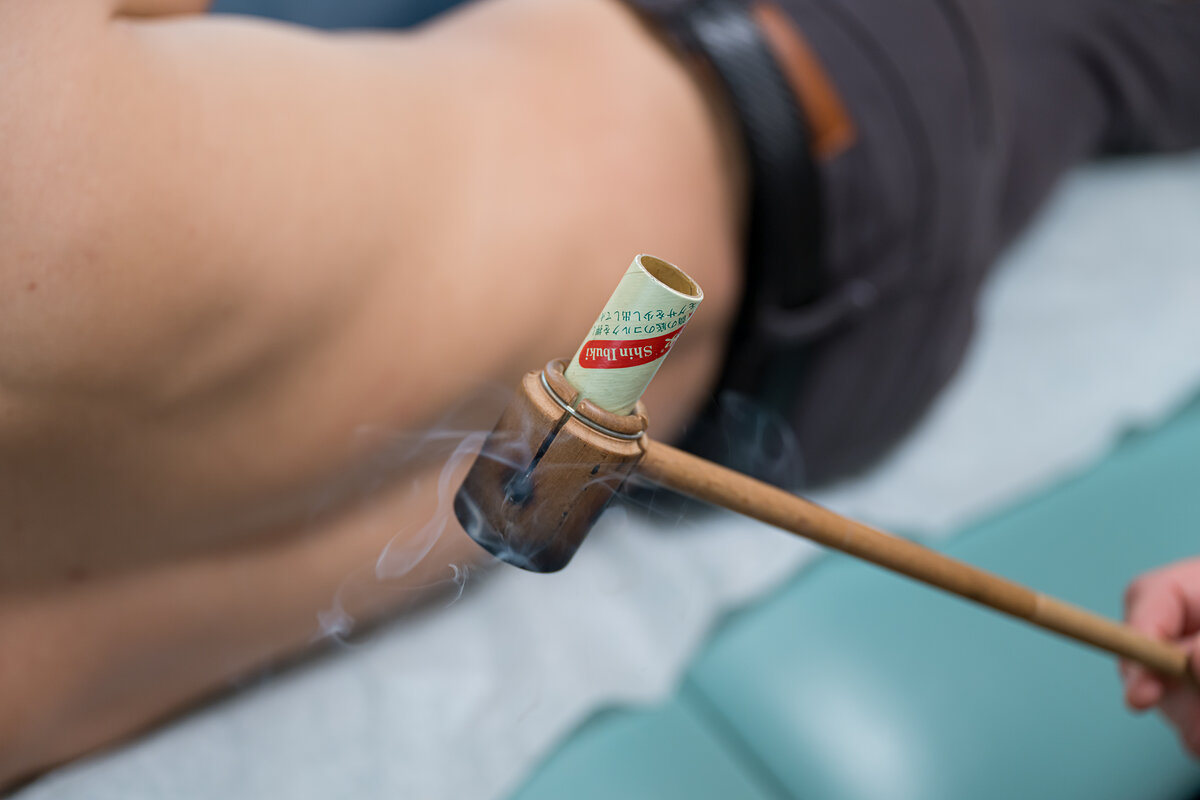
- Moxibustion, a traditional heat-based therapy from Chinese and Japanese medicine used to increase circulation and support tissue recovery
Moxibustion
In Japan, Moxibustion is practiced as a medical modality in its own right. We incorporate it when tissue warming, circulation support, or recovery assistance is clinically appropriate.
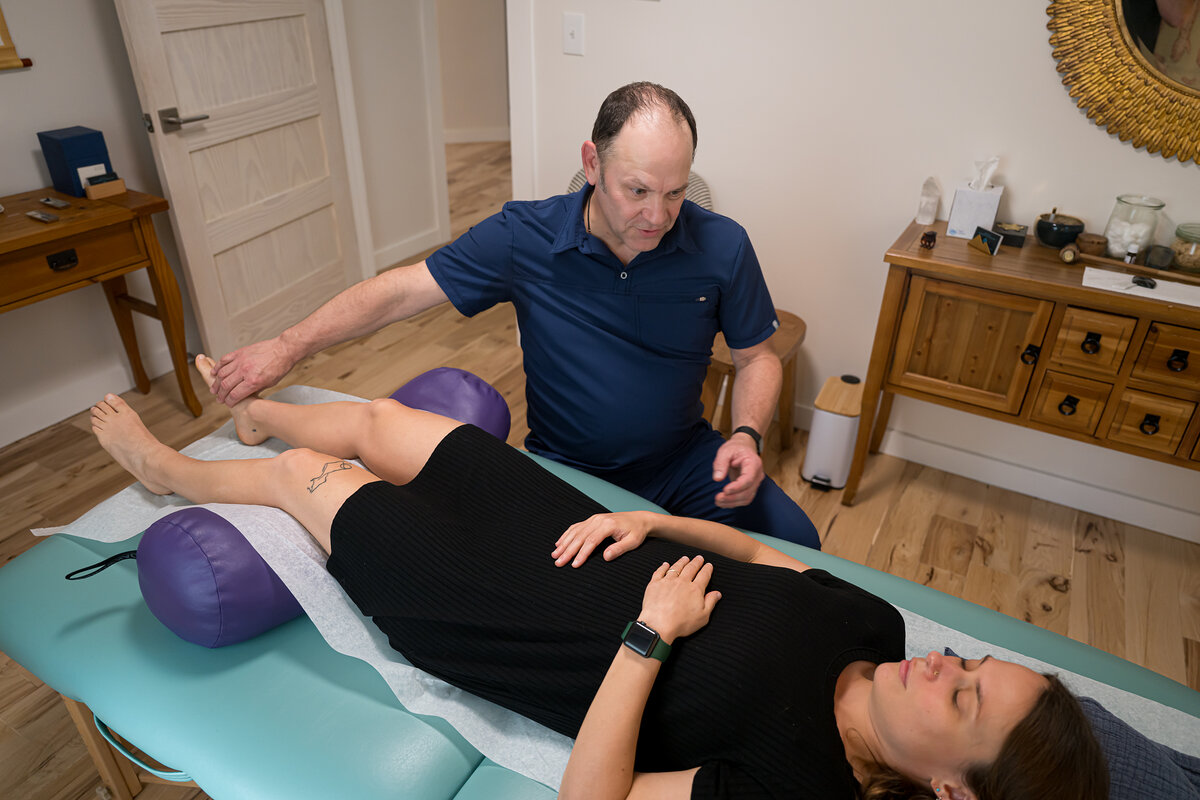
Treatment is guided by palpation-based diagnosis and structural findings. We evaluate joint mechanics, fascial tension, muscular balance, and movement quality, and we adjust based on how the body responds.
We move from pain reduction into identifying and correcting the mechanical stress contributing to dysfunction. We are committed to doing this in as few treatments as possible.
How We Help
Our approach brings together specialized acupuncture and hands-on therapies to address pain, injury, movement dysfunction and complex conditions. Treatment is individualized based on what we find during your assessment.
Orthopedic & Japanese Acupuncture
Specialized acupuncture combining orthopedic assessment and treatment with gentle Japanese styles.
Dry Needling
Precise treatment of muscular pain, trigger points and areas of restricted movement.
Clinical Massage Therapy
Individualized therapeutic massage focused on pain relief, mobility, recovery and function.

Who We Help
Patients come to us with everything from recent injuries to long-standing pain and complex conditions. Many have tried other approaches and are looking for a more individualized assessment and treatment plan.
- Back and neck pain, including sciatica
- Shoulder, hip and knee pain
- Migraines and headaches
- Sports injuries and repetitive-use conditions
- Tendon, ligament and soft-tissue injuries
- Neuropathy and nerve pain
- Carpal tunnel syndrome
- Plantar fasciitis and foot pain
- Car accident and motor vehicle injuries.
- Pre- and post-surgical care
- Concussion and trauma
- Autoimmune conditions
- Chronic and complex pain conditions
- Non-surgical approaches to pain and injury
Explore the conditions we treat →
Our Clinical Framework
Patient Centered
Result-driven
Root-cause oriented
We look beyond symptoms to identify and address the patterns contributing to pain and dysfunction.
Dry Needling Within Orthopedic Acupuncture
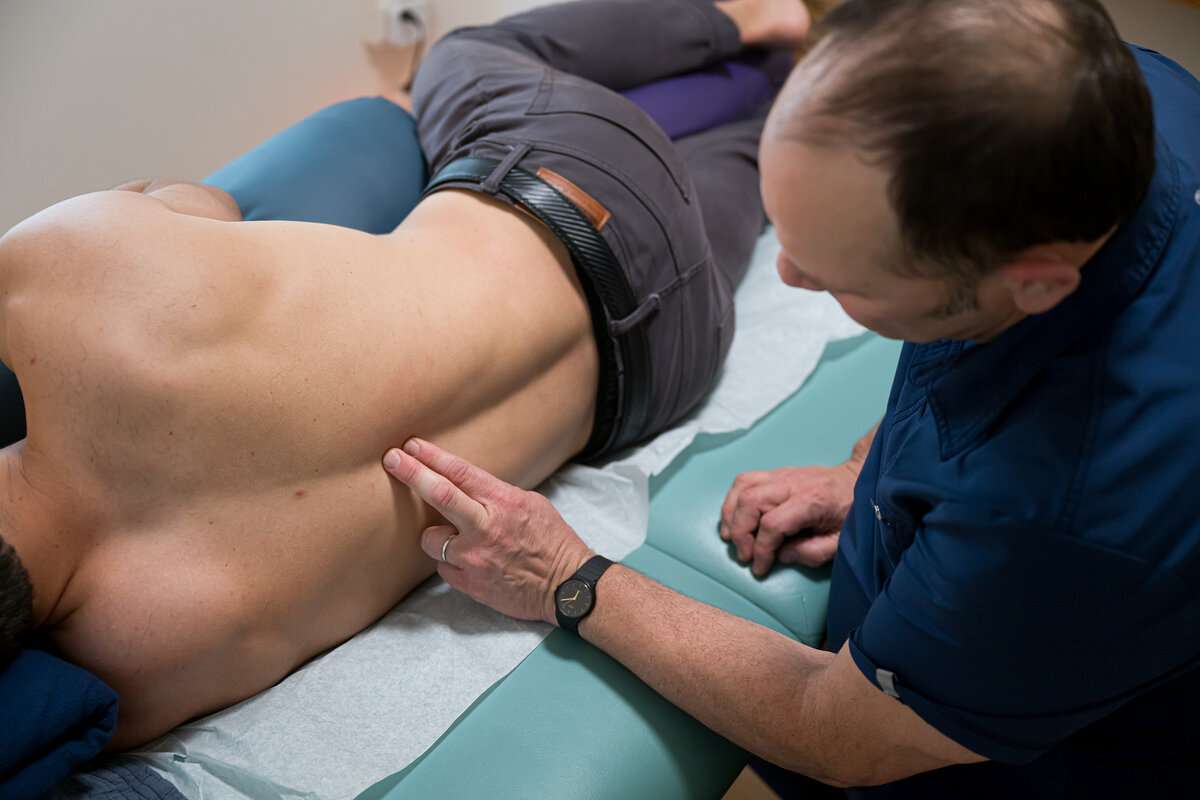
Because we are licensed acupuncturists trained in both traditional and orthopedic systems, Dry Needling is incorporated within a broader structural treatment plan. Tissue release is paired with evaluation of why that muscle became overloaded.
Orthopedic Acupuncture for Athletes and Active Adults in Asheville
We also support those navigating frozen shoulder, persistent joint stiffness, or injuries that arise from everyday activities such as dog walking, gardening, yard work, or hiking. Many people are not training for competition, but they still want to move comfortably and maintain independence.
Treatment focuses on restoring joint integrity, improving tissue resilience, and reducing recurring flare patterns so daily activity and training can continue with greater stability.

What to Expect
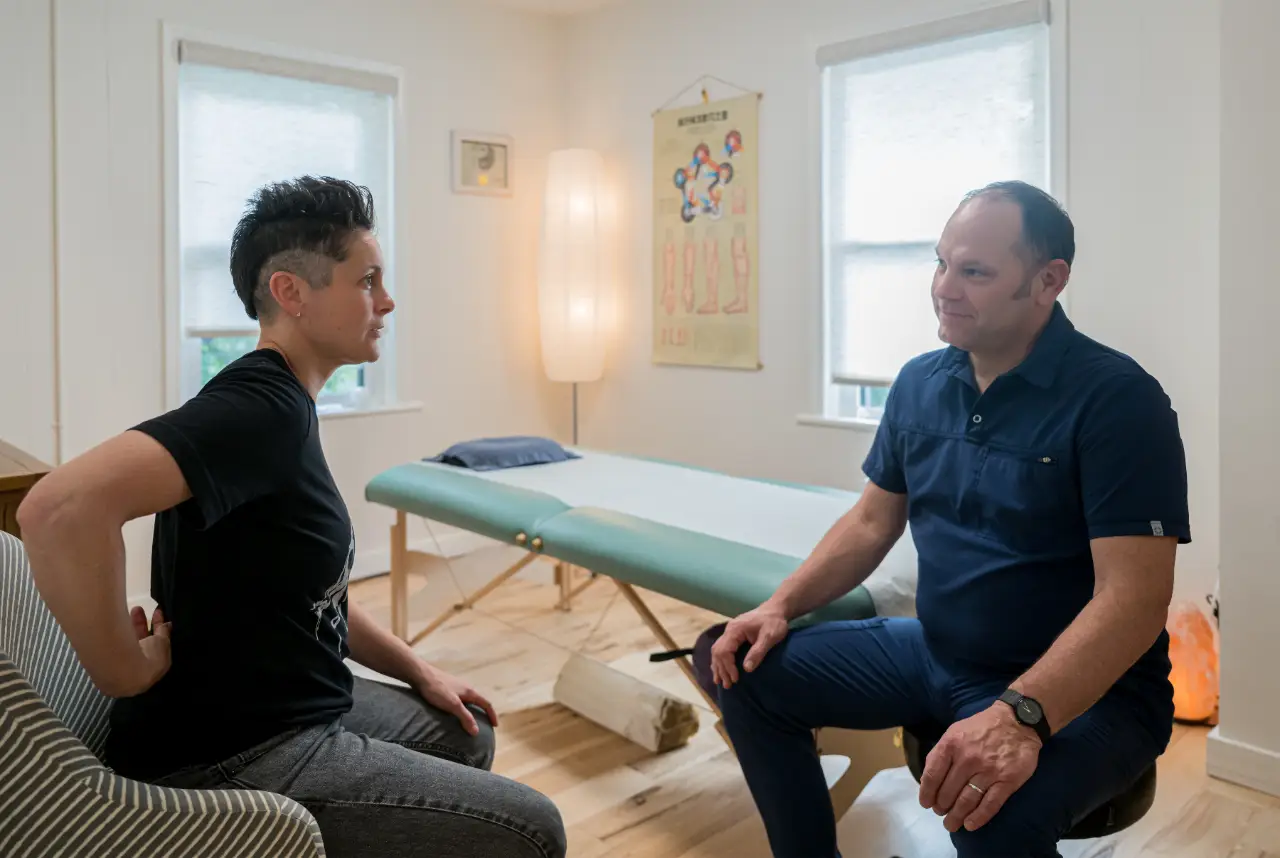
Chad explains what he is finding and walks you through the treatment as he goes, so you understand what we’re doing and why.
Your response to treatment helps guide what happens next. Care is adjusted as you improve, with the goal of helping you get better in as few treatments as possible.
Meet Chad Johnson, L.Ac
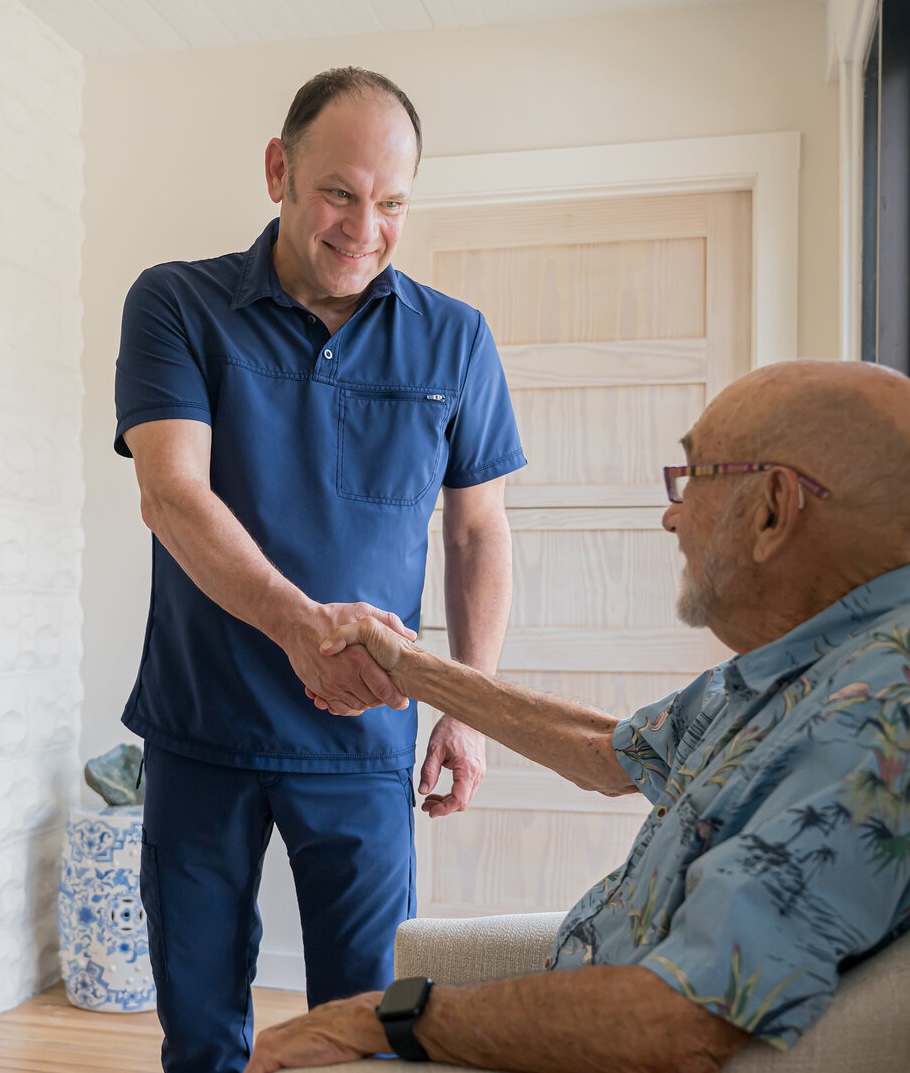
Chad Johnson, L.Ac. is Clinic Director and co-founder of Asheville Orthopedic Acupuncture | Moxa House. He has practiced acupuncture in Asheville since 2011, with a clinical focus on pain, injuries and complex conditions.
His approach is gentle, practical and highly individualized. Chad takes time to explain what he is finding, what he is doing and why, walking patients through each step of their care. He has a particular knack for making the principles of this ancient medicine understandable and relevant to the person on the table.
Many of Chad’s patients are themselves physicians, nurses and other healthcare professionals. He also works collaboratively with Western medical providers and is comfortable being part of a larger care team when a patient’s condition calls for it.
His treatments combine Orthopedic Acupuncture, Japanese acupuncture styles, detailed assessment and hands-on therapies, with a focus on providing the care a patient needs without unnecessary treatment.
Chad also teaches continuing education for acupuncture and massage professionals, sharing advanced clinical techniques and treatment approaches with other practitioners.
Voted #1 Best Acupuncturist — Mountain Xpress Best of WNC 2026
How Many Treatments Will I Need?

Acute Issues
For a recent injury or issue, we typically begin with three treatments and assess your response.

Chronic or Complex Patterns
For long-standing pain or more complex conditions, we typically begin with five treatments and reassess from there.
Severe Pain
When pain is severe, treatment may begin more frequently to help settle symptoms, then space out as you improve.
Frequently Asked Questions
How do I choose an acupuncturist in Asheville?
Does my first acupuncture appointment include treatment?
What makes our approach to Orthopedic Acupuncture distinctive?
Do I need a diagnosis before scheduling?
Is Orthopedic Acupuncture gentle?
How many treatments will I need?
Do you only treat pain and injuries?
Is Our Practice Right for You?
If you’re dealing with pain, an injury or a complex condition and aren’t sure whether our approach is right for you, start with a conversation.
We’ll listen to what is going on, answer your questions and let you know whether we think we can help. If another type of care may be more appropriate, we’ll tell you.


